How we think
Most partners start with a blank page or a generic checklist. We bring proven models from 100+ SaaS companies and show you exactly where you stand.
We score your revenue engine across six pillars and benchmark each against where a company your size should be.
01
People & Enablement
who owns what, and what happens when something breaks.
02
Systems & Technology
tools nobody's maintained in years.
03
Strategy & Alignment
handoffs no one enforces.
04
Processes & Workflows
dashboards no one fully trusts.
05
Data & Governance
AI running on data that isn't ready.
06
Analytics & Forecasting
what breaks if a key person leaves.
Ways to work with us
Every engagement can grow into the next, so you only commit to what you need now.
Start with a benchmark, or bring us the project you already have in mind.
What's going on, and whether we're the right fit.
We score your engine against companies your size and tell you what to fix first. Already know what you need? We’ll scope it and start building.
The people who planned it build it, so nothing gets lost in a handoff.
As you grow, we update the plan and keep building, including your AI agents.
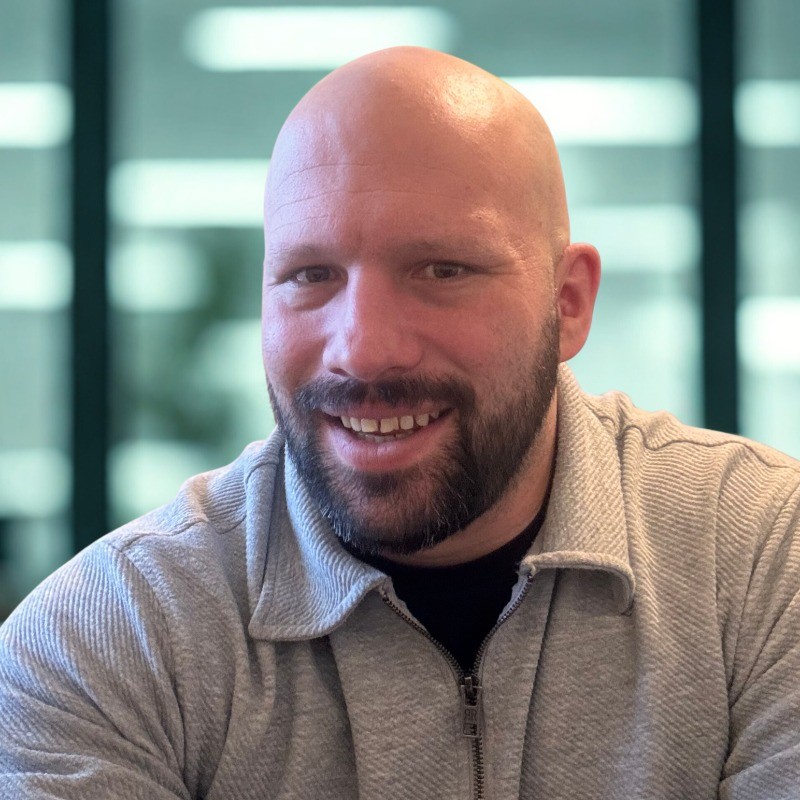
A lot of partners see every problem the same way. Candybox is intellectually curious and agile. They sit in the seat with us and really try to understand the outcome. I feel heard.

Here’s what working with us looks like, day to day.
We move fast.
We get to work quickly and ship in phases, so you see working systems early.
We designed and built one client’s quoting in 2–3 months. Their RevOps lead’s last company took 9.

We work like part of your team.
In your Slack, your standups and your tools, not on a ticket queue.
We ran one client’s build from a shared Slack channel and weekly syncs. They went from no CRM to a live inbound engine in weeks.
We tell you the truth.
If there’s a better path, you’ll hear it, even when it’s not what you hoped.
We’ve told a client to replace our own custom quoting with a packaged CPQ once their catalog outgrew it.
We build for your next stage.
We design for where you’re headed, not just this quarter.
We built one client’s quoting when they had 20 employees. It still handles 10–20 deals a week.








+
B2B SaaS companies
4.9
On G2

49
Reviews
Multi-year, embedded


How engagements start, who you work with, and what to expect week to week.