of generative AI projects will be abandoned after POC
Gartner forecast, 2025
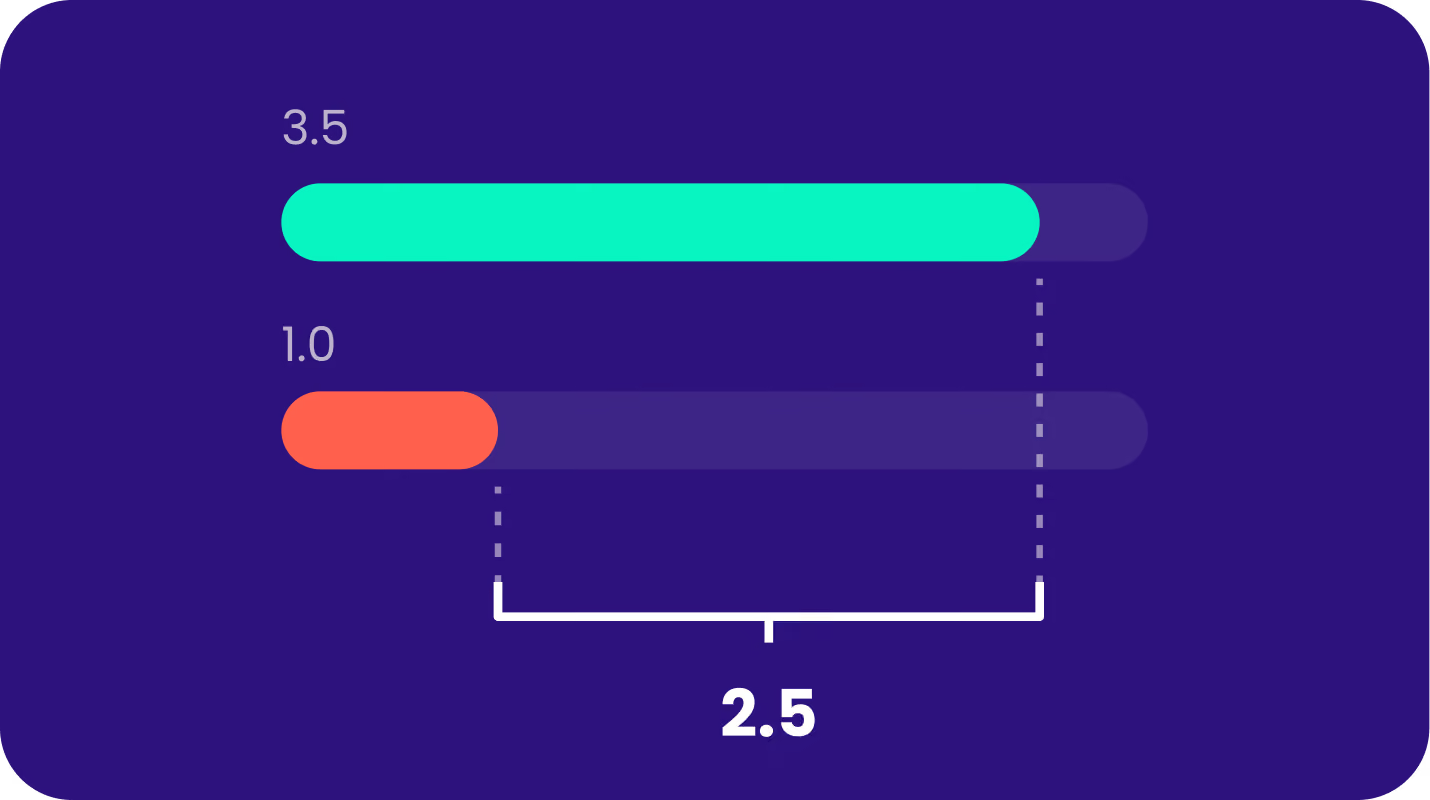
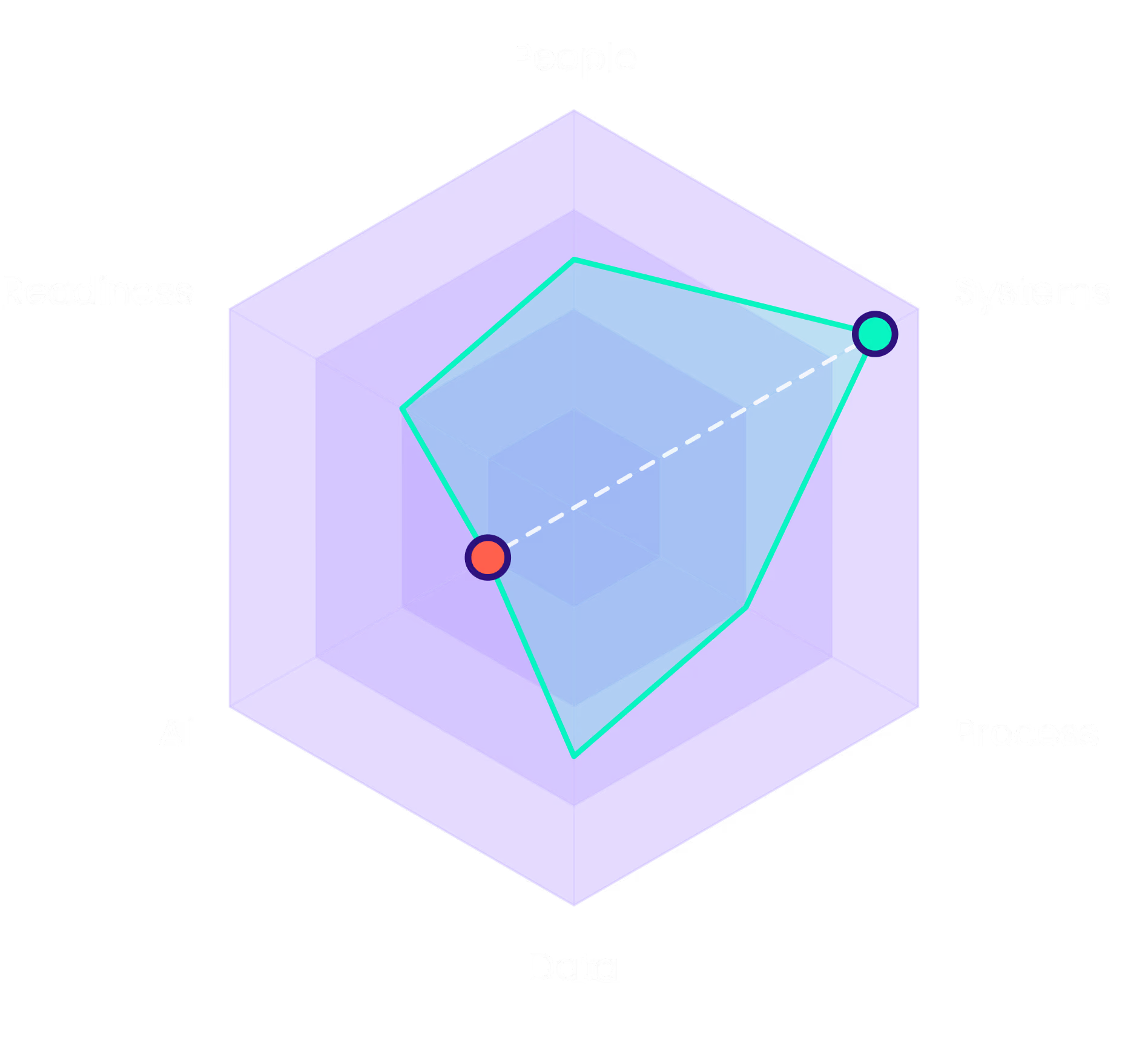
You can't fix an average. You can fix a gap.
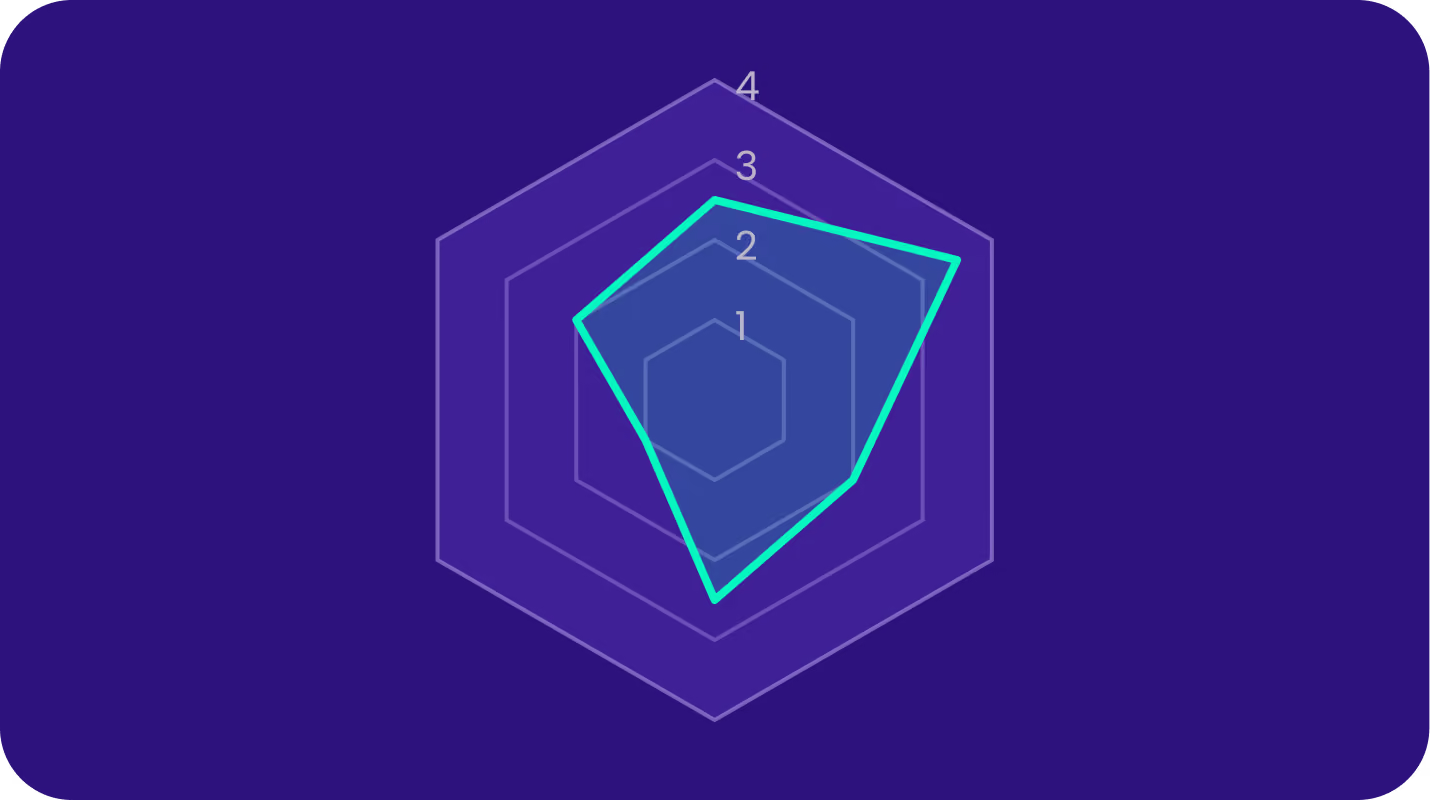
All six pillars are scored separately, so you can see exactly where the gap is.
About the RevOps Maturity Snapshot
What it measures, how long it takes, and what you get at the end.
What’s the impact of not having universal SaaS reporting?
What’s the biggest reason SaaS dashboards fail to be actionable?
What metrics should every SaaS reporting dashboard include?
What is a SaaS reporting dashboard?
How often should dashboards be updated or changed?
What kind of results can we expect with this data hygiene cleanup?
How do I know if my CRM has a data quality problem?
I like that Candybox is not afraid to push back for the good of their customers.
Claudio Cocivera
Sr. Manager Business Systems & Processes
Merger migration, no major bugs
6 months
Candybox took a personalised approach to our business; they didn’t build an out of the box solution; they tailored it to our needs with industry knowledge and best practices.
Arran Cruickshanks
Commercial Director
Adoption in week 1
90%+
They are true thought partners and don't require a structured list of requirements. I gave them a high level set of objectives and they were able to translate that into tactical technical updates.
Chiraag Kapoor
Principal
It felt like I walked into a fully-functioning system.
Kimberly DelSignore
RevOps Lead
How Omni scaled RevOps and built a high-impact data architecture with Candybox.
to a live CPQ (vs. 9 months)
2–3 months
Now, we actually work methodically and have a process.
Keith Jones
Leader of GTM Systems
See where your RevOps stands.
Start with a conversation. We'll look into whether we're a fit and be honest about what you need.